

Kilimanjaro is a serious long-distance trek — not a casual walk, but also not a technical mountain requiring specialist skills. There are no ropes, no rock climbing, and no glacier travel on the standard routes. The primary difficulty is altitude: reaching 5,895m requires genuine aerobic endurance and enough days on the mountain for your body to acclimatise. For comparison, Kilimanjaro is significantly harder than a standard walking holiday and requires real preparation. Most reasonably fit people who train specifically for 3–6 months beforehand can reach the summit.
No. Kilimanjaro is classified as a walk-up peak, meaning no technical climbing skills are required. Previous hiking experience on multi-day trails — the Annapurna Circuit, Camino de Santiago, Scottish Munros, or similar — is excellent preparation but not a formal requirement. What matters most is aerobic fitness, mental determination, and the right number of days on the mountain.
For most first-time climbers, we recommend the Lemosho Route over 8 days. It has the highest success rate, superb scenery across the southern circuit, excellent acclimatisation profile, and the least crowding of the major routes. Machame over 8 days is a strong alternative with equally good success rates. Marangu is the only route with hut dormitory accommodation rather than tents — a good choice for those less comfortable with camping. We discuss each climber’s priorities individually and always recommend the route that best fits their situation.
A minimum of 6 days and a strong recommendation of 8 days. Each additional day above 3,000m measurably improves acclimatisation and summit success rate. The difference in summit success between a 6-day and 8-day Machame Route climb is approximately 15–20%. The additional time and modest extra cost are among the best investments you can make in your climb. We do not offer itineraries shorter than 6 days on any route.
Acute Mountain Sickness (AMS) is caused by reduced oxygen availability at altitude. Symptoms include headache, fatigue, nausea, dizziness, and disturbed sleep — and almost every climber experiences at least mild symptoms above 3,500m. This is normal and manageable. Serious AMS — including HAPE (high altitude pulmonary oedema) and HACE (high altitude cerebral oedema) — is rare when climbers ascend slowly and have adequate acclimatisation days, but can be life-threatening if ignored. Our guides monitor every climber daily using pulse oximeters and will descend any climber showing serious symptoms immediately. Early descent resolves AMS symptoms rapidly and completely.
Diamox (acetazolamide) is a prescription medication that speeds acclimatisation by stimulating faster, deeper breathing — which increases blood oxygen saturation. Most altitude medicine specialists recommend it for Kilimanjaro climbers, particularly those attempting shorter itineraries or with no previous altitude experience. Common side effects include increased urination and tingling in the fingers and toes. Diamox is not suitable for everyone — particularly those with sulfa drug allergies. Consult your doctor before your climb. We can provide a recommended dosage guidance letter to take to your GP.
The Kilimanjaro National Park Authority sets a minimum age of 10 years. For climbers aged 10–15, we assess fitness and hiking experience carefully and recommend the most appropriate route and pace. There is no maximum age limit. We have successfully guided climbers in their 70s to Uhuru Peak.
Yes. KINAPA (Kilimanjaro National Park Authority) regulations require every climber to be accompanied by a licensed, registered guide. Independent climbing without a guide is not permitted under any circumstances. All Serengeti African Tours guides hold KINAPA registration and have completed accredited mountain guide training courses.
KINAPA regulations specify a maximum porter load of 20kg including the porter’s own gear. In practice, each climber typically has 2–3 porters responsible for their tent, food equipment, and personal duffel. The full crew also includes a personal guide, assistant guide, and cook. Our standard crew-to-climber ratio exceeds 3:1 — meaning your crew is genuinely well-supported, properly equipped, and fairly compensated.
Our guided Kilimanjaro climbs start from $1,950 per person for the 6-day Marangu Route and from $2,850–$2,950 per person for an 8-day Machame or Lemosho Route. All prices include national park fees, camping and hut fees, guide and full crew wages, all meals on the mountain, tents and sleeping equipment, and park rescue fees. International flights, personal travel insurance, personal clothing and gear, and crew gratuities are not included. Contact us for a full detailed quotation.
Kilimanjaro can be climbed year-round. The most reliable weather windows are January–February (warm and dry) and June–October (dry season, coolest temperatures). March–May coincides with Tanzania’s long rains — the mountain becomes very wet and trail conditions are at their most difficult. December and July–August are the peak booking seasons. Our preferred months for best conditions and reasonable crowds: January–February and August–September.
Your Serengeti African Tours cook prepares three full meals and hot drinks throughout the day using fresh ingredients carried from Arusha. A typical day: porridge with fruit and eggs for breakfast, hot soup and sandwiches on the trail for lunch, and a full cooked dinner of meat or chicken with rice, pasta, or ugali and vegetables at camp. We carry a full water filtration system on every climb. Special dietary requirements — vegetarian, vegan, gluten-free — are accommodated with advance notice. Summit day snacks and electrolyte drinks are also provided.
Intermittent mobile signal exists on parts of the lower mountain, but there is no WiFi anywhere on the route. Most climbers treat this as a genuine digital detox — some of the best reported benefits of the climb. Our guides carry satellite communication equipment for emergency contact with our Arusha base team throughout the climb.
KINAPA publishes minimum tipping guidelines. As a working recommendation per climber: head guide $25–30/day; assistant guide $15–20/day; cook $10–15/day; porter $7–10/day. On an 8-day climb with a typical crew, budget approximately $150–200 per climber total. Tips are distributed at the end of the climb at Mweka Gate — in USD cash or via M-Pesa. We provide a tipping guidance card to all climbers before departure.
Yes — and it must specifically cover high-altitude trekking above 5,000m and emergency helicopter evacuation. Standard travel insurance policies frequently exclude this. Read the policy wording carefully before purchase. We also recommend considering AMREF Flying Doctors coverage — an annual membership costs approximately $25–50 and provides emergency air evacuation within East Africa. We require all climbers to carry valid altitude-cover insurance as a condition of booking.
We never push any climber beyond the point where continuing is medically safe. Altitude sickness is a physiological condition, and descending is always the correct response. Our guides make ascent/descent decisions based on pulse oximeter readings, symptom assessment, and direct conversation with the climber. Reaching Stella Point (5,739m) or Gilman’s Point (5,685m) is a genuine and significant achievement — acknowledged on your official KINAPA certificate. Descent from any point on the mountain to Mweka Camp takes 3–5 hours, and symptoms resolve rapidly once you begin descending.
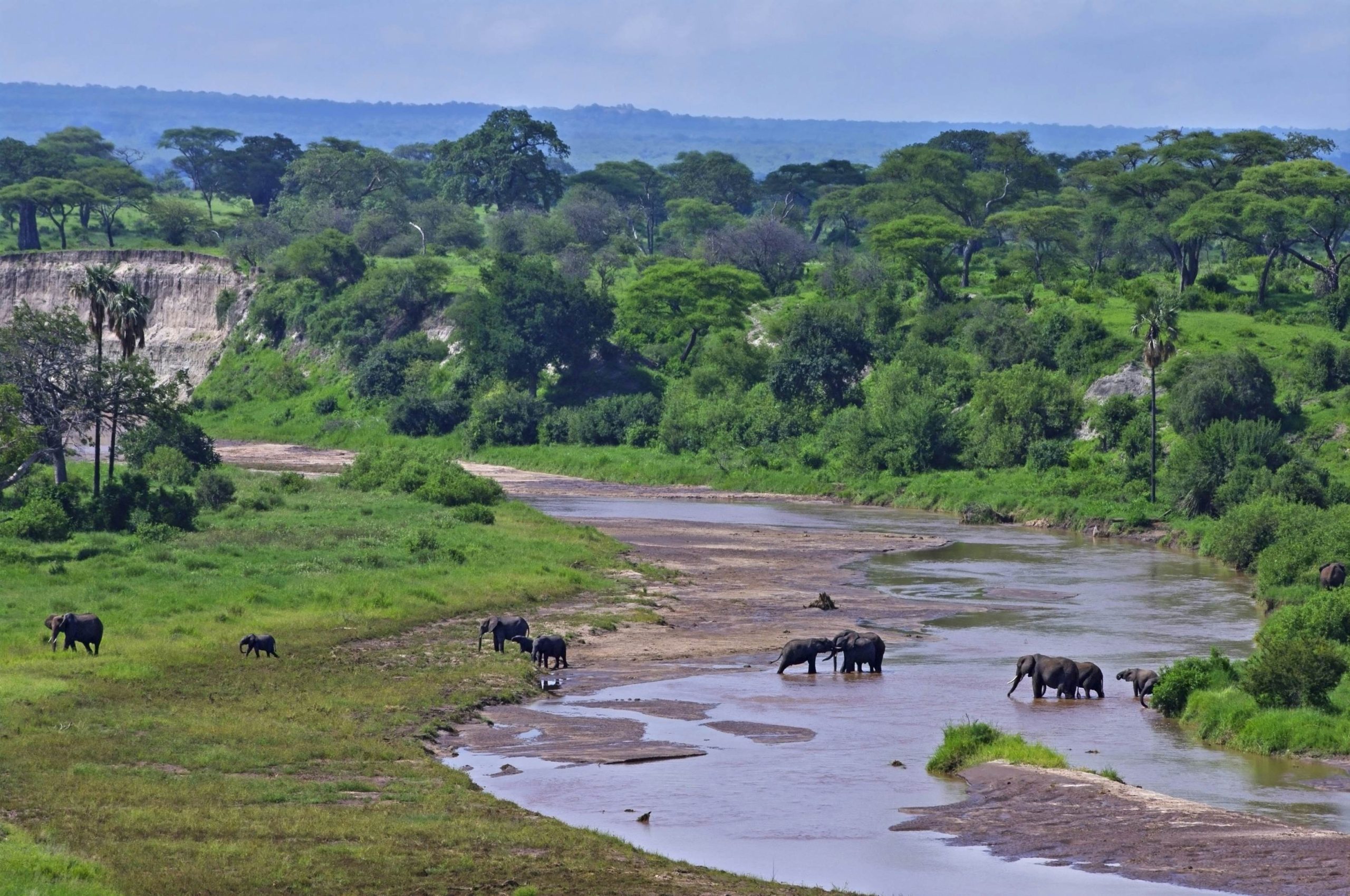
Kilimanjaro is located near Moshi in northeastern Tanzania, approximately 300km from the Serengeti National Park. Most Kilimanjaro climbers combine their trek with a Northern Circuit safari — Serengeti, Ngorongoro Crater, and Tarangire — either before or after the climb. This combination is Tanzania’s classic adventure pairing. We design full Tanzania itineraries that sequence the safari and the summit for the best possible experience.
Our Kilimanjaro team in Arusha has guided hundreds of climbers to Uhuru Peak and is happy to answer any question — about fitness, gear, routes, health, or logistics. Contact us directly or request a free custom itinerary and we will respond within 24 hours.