

Break in your hiking boots before departure; blisters on a safari are miserable. Download offline maps of Tanzania and your safari region in case internet fails. Research the Big Five and common animals you might see — anticipation heightens the experience. Get vaccinated (yellow fever recommended; polio, hepatitis A/B advisable). Start malaria prophylaxis 1–2 days before arrival (if using doxycycline). Sleep well and stay hydrated the day before your first game drive; fatigue and dehydration reduce enjoyment.
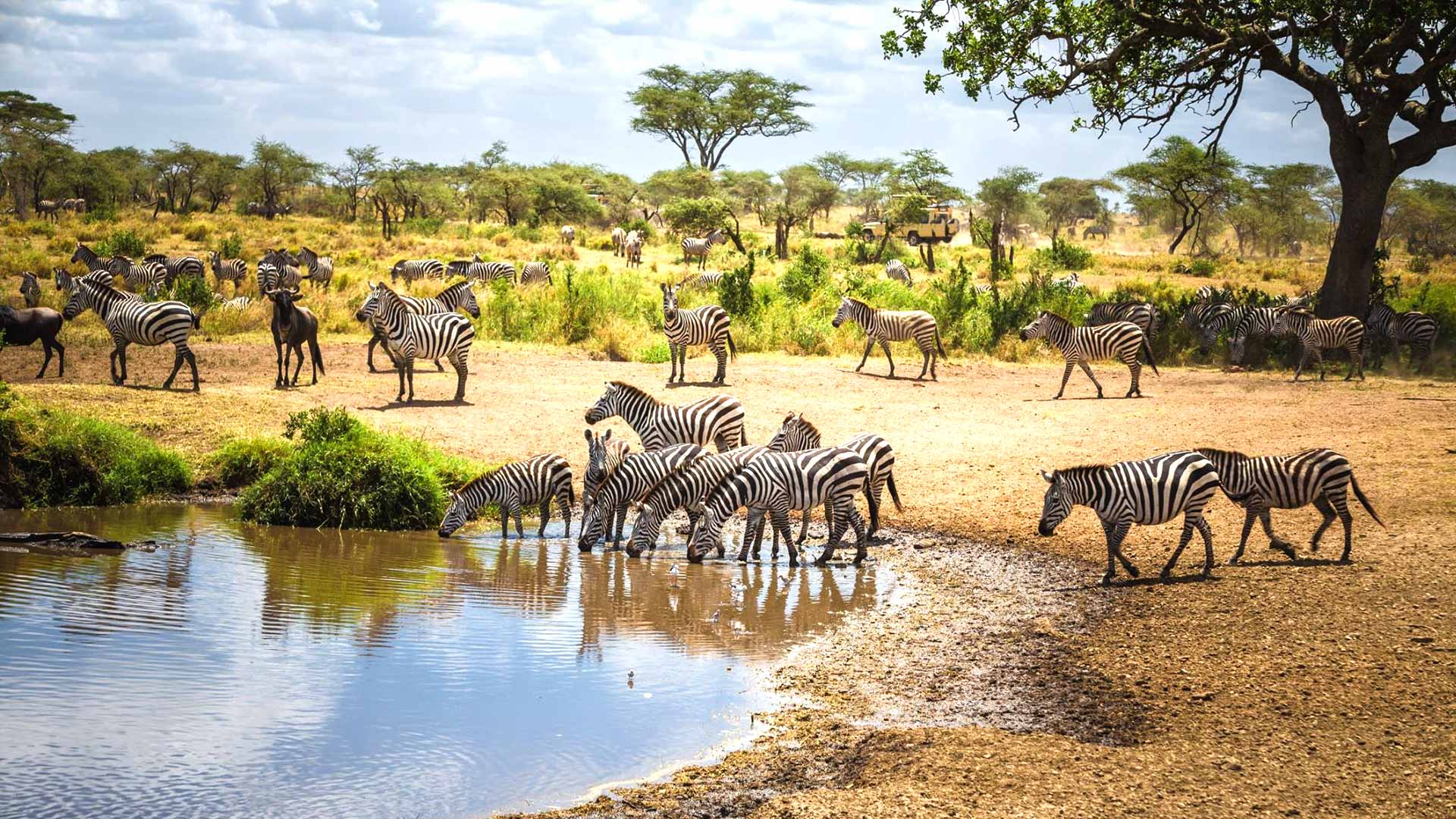
Game drives are typically 4–6 hours long, departing at dawn (6:00–6:30am) and mid-afternoon (3:00–3:30pm), each lasting 2–3 hours. You sit elevated in an open-sided vehicle with 4–8 other guests. The engine runs constantly; conversations are rare during sightings. Expect long periods of searching (30+ minutes) between wildlife spots. Your guide uses radio to communicate with other guides about sightings; this improves odds significantly. Bring water, sunscreen, and insect repellent. Dress in layers; early morning is cool (18°C), midday is hot (28–32°C).
Bring a telephoto lens (200–600mm); wildlife is distant. Use fast shutter speeds (1/1000s+) for moving animals. Shoot in burst mode for action sequences. Avoid flash unless explicitly permitted (disturbs animals and lodge staff). Polarising filters reduce glare off water. Bring a portable charger for camera batteries. Back up photos daily to a hard drive or cloud storage. The best light is the “golden hours”: sunrise (first 1–2 hours) and sunset (last 1–2 hours).
Drink 3–4 litres of water daily in the bush (dehydration sneaks up). Wear high-SPF sunscreen and reapply every 2 hours. Wear a hat and sunglasses year-round. Sleep under mosquito nets and wear long clothes at dawn/dusk. Don’t scratch insect bites (infection risk). If you develop fever, diarrhoea, or unusual rashes, inform your lodge immediately; clinics are accessible by radio. Altitude (Kilimanjaro) causes mild headaches — ascend slowly, drink water, take it easy the first 1–2 days.
Is the safari dangerous?
Not if you follow basic rules (stay in the vehicle, listen to guides, respect wildlife distance). Lion attacks on safari-goers are rarer than lightning strikes.
What if I’m afraid of heights?
Kilimanjaro is not a technical climb; you walk uphill on foot. Hot air balloon safaris are open (not enclosed), but planes to remote parks are small (bumpy, yes; dangerous, no).
What if I don’t see the Big Five?
Wildlife is unpredictable. Many guests see the Big Five; some don’t. Focus on the privilege of being in a wild place, not a checklist. The experience is the destination, not the sightings.
Can I touch the animals?
Absolutely not. Ever.