

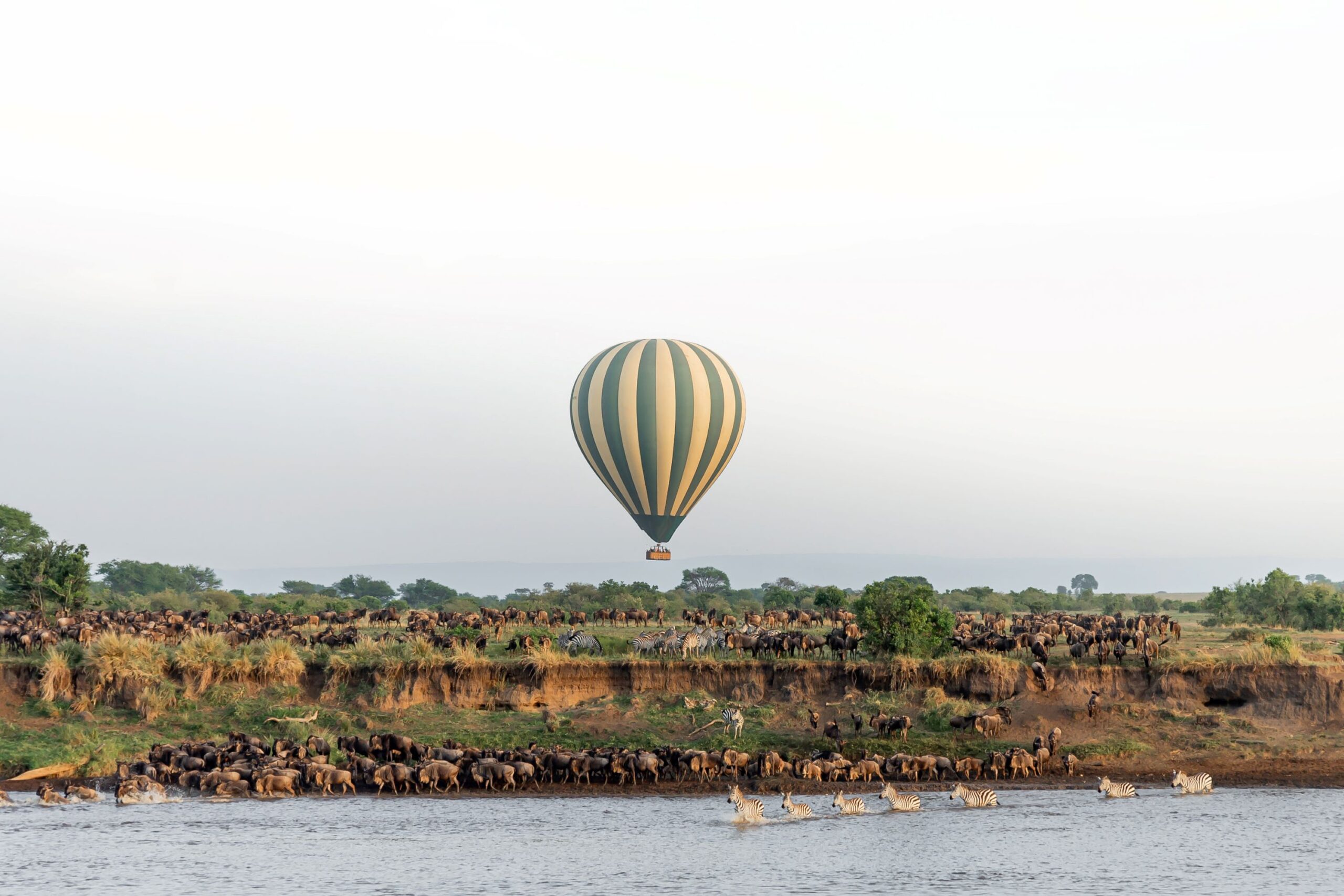
Tanzania straddles the equator and experiences two main rainfall seasons. The long rains (March–May) transform the landscape into verdant countryside but also make some roads impassable. The short rains (November–December) are lighter and brief. Between these wet periods lie two dry seasons — the “main dry season” (June–October) and the “short dry season” (January–February) — when wildlife viewing is at its peak and roads are passable.
January–February (Summer): Peak season in southern Tanzania. Serengeti’s calving season brings thousands of newborn wildebeest. Expect warm temperatures (28–30°C) and occasional short showers. Excellent value outside peak July–October. Success rate for Kilimanjaro climbing remains high.
March–May (Long Rains): The landscape explodes into green. Migratory birds arrive. Fewer tourists mean lower prices and intimate safari experiences. However, roads can become impassable in remote areas, and some camps close temporarily. Skip these months if rough-road aversion is high.
June–October (Main Dry Season): The gold standard for Tanzania safaris. Visibility is excellent, wildlife congregates around remaining water sources, and the Great Migration river crossings occur (July–October). Busiest and most expensive period. Book 6+ months ahead.
November–December (Short Rains): Brief rains followed by green flush. December is excellent — Christmas holidays bring families; rest of November offers quiet, lush parks at mid-season prices.
The wildebeest migration is a cyclical movement across the Serengeti-Mara ecosystem. Broadly: January–February (Ndutu area, calving); March–May (central and southern parks); June–July (northern Serengeti, river crossings begin); August–October (Mara River crossings continue; peak drama).
Year-Round (Ngorongoro Crater): The enclosed ecosystem guarantees Big Five year-round. Weather is stable; wildlife density is constant.
Dry Season (Serengeti, Tarangire, Lake Manyara): June–October is prime. Wildlife concentrates, visibility is crystal, and game drives yield maximum sightings.
Green Season (All Parks): November–May reveals lush landscapes and resident species. Birdlife peaks March–May with migratory arrivals.
Dry Season Pros: Clear skies, hard-packed roads, wildlife concentrations, maximum sightings, photography is excellent. Dry Season Cons: Peak prices, crowded camps, fully booked months in advance.
Green Season Pros: Lush landscapes, fewer tourists, 30–40% cheaper rates, dramatic skies, migratory birds, excellent birding. Green Season Cons: Some roads impassable, occasional heavy rains, wildlife dispersed, lower predator sightings.
European and American school holidays (July–August, December–January) drive peak tourism. If you prefer quieter parks and lower prices, avoid these windows. Australian and South African school holidays (September–October) also busy parks slightly.
For first-timers seeking maximum wildlife: June–October. For budget-conscious travellers: November–December or January–February. For birdwatchers and landscape photographers: March–May. For intimate, less-crowded safaris: September–October (tail end of dry season, good weather, prices dropping).