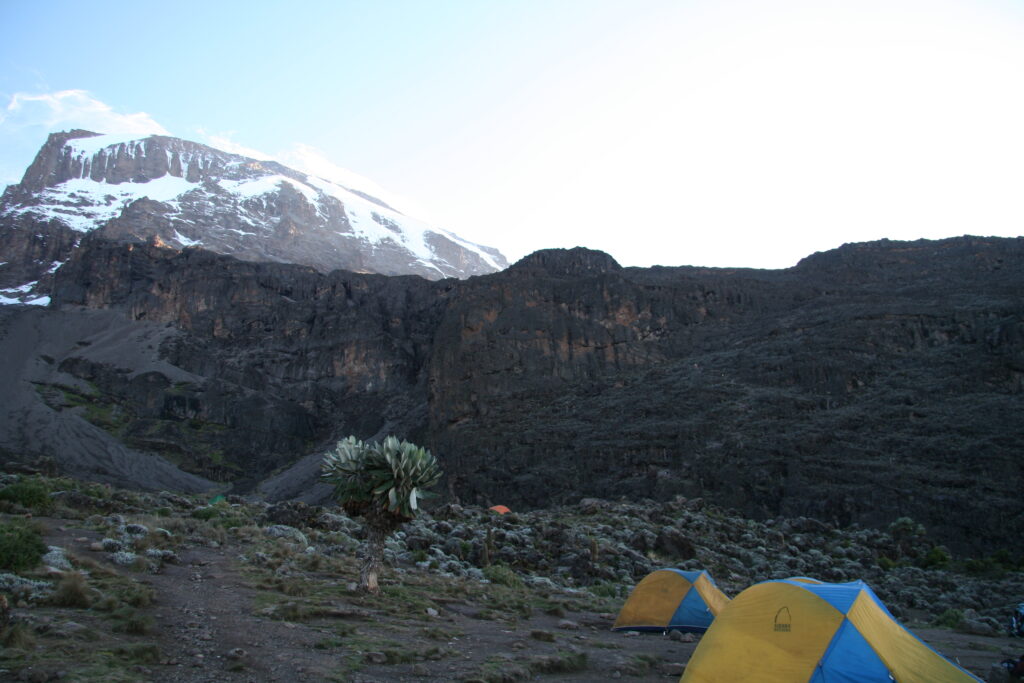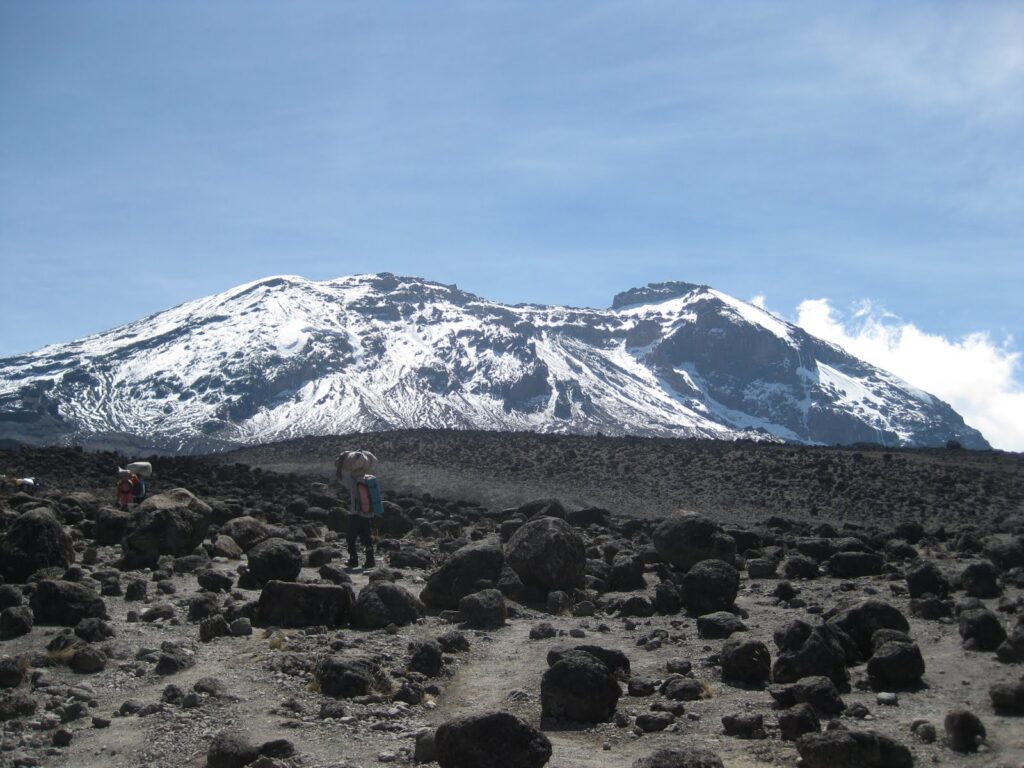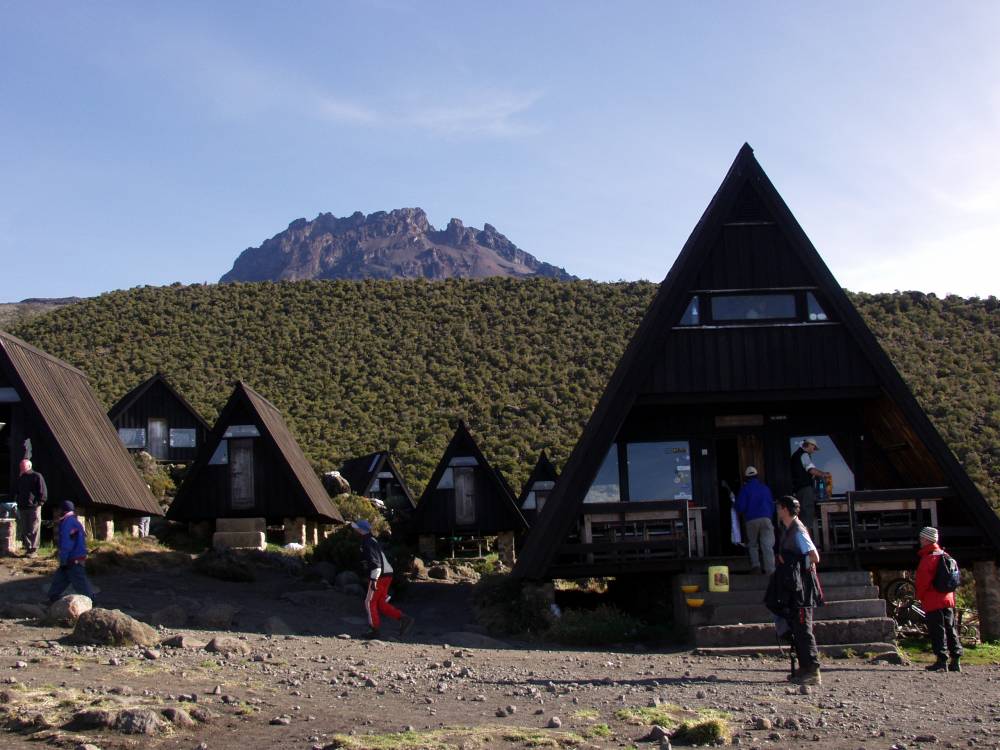
7 Days Adventures in Kilimanjaro Mount via Machame Route
The seven-day Machame variation is the ideal schedule for this route. On the 7-day Machame route, the trek from Barranco to Barafu is broken up into two days, allowing for a short day just prior to the summit attempt.
This is important because summit day begins very early, around midnight, so climbers are sleep-deprived going into the toughest day on the mountain. By having a short day beforehand, climbers can be better rested.
7 Days Adventures in Kilimanjaro Mount via Machame Route
- Distance: 11 km
- Hiking Time: 5–6 hours
- Habitat: Montane Forest
After breakfast, depart from Arusha and drive approximately 3 hours to Machame Gate, passing through the scenic village of Machame on the lower slopes of Mount Kilimanjaro.
Following registration, begin your trek through dense rainforest along a winding ridge trail. The path can be muddy and slippery at lower elevations, so trekking poles and gaiters are recommended.
Arrive at Machame Camp, where your crew will have prepared your tents and a warm meal.
Accommodation: Budget Camping (Mountain Camp)
Meals: Lunch & Dinner
Drinks: Drinking water provided
- Distance: 5 km
- Hiking Time: 4–5 hours
- Habitat: Moorland
After breakfast, leave the rainforest behind and ascend into open moorland. The trail climbs steadily along a rocky ridge, offering beautiful views as the vegetation begins to thin.
Cross a valley and continue toward the Shira Plateau, arriving at Shira Camp, where you will enjoy panoramic views of the surrounding landscape.
Accommodation: Budget Camping
Meals: Breakfast, Lunch & Dinner
Drinks: Drinking water provided
- Distance: 10 km
- Hiking Time: 5–6 hours
- Habitat: Semi-Desert
Today is an important acclimatization day. From the Shira Plateau, trek east toward Lava Tower (4,650m), also known as “Shark’s Tooth.”
After reaching this high point, descend to Barranco Camp. Although you finish the day at a similar elevation to where you started, this “climb high, sleep low” strategy helps your body adjust to altitude.
Enjoy stunning views of the Barranco Wall and surrounding peaks.
Accommodation: Budget Camping
Meals: Breakfast, Lunch & Dinner
Drinks: Drinking water provided
- Distance: 5 km
- Hiking Time: 3–4 hours
- Habitat: Alpine Desert
After breakfast, tackle the famous Barranco Wall—a steep but rewarding climb with incredible views. Once at the top, continue across ridges and valleys to Karanga Camp.
This shorter day allows for additional acclimatization and rest before the summit push.
Accommodation: Budget Camping
Meals: Breakfast, Lunch & Dinner
Drinks: Drinking water provided
- Distance: 4 km
- Hiking Time: 3–4 hours
- Habitat: Alpine Desert
Continue your ascent to Barafu Camp, completing the southern circuit of the mountain. Along the way, enjoy spectacular views of Kibo Peak from multiple angles.
Arrive early at camp to rest, hydrate, and prepare for your midnight summit attempt. After dinner, get some sleep before your final ascent.
Accommodation: Budget Camping
Meals: Breakfast, Lunch & Dinner
Drinks: Drinking water provided
- Hiking Time: 6–8 hours ascent / 5–6 hours descent
- Habitat: Arctic / Alpine Desert
Around midnight, begin your summit push between the Rebmann and Ratzel Glaciers. Trek slowly (“pole pole”) up steep scree toward Stella Point on the crater rim.
From there, continue to Uhuru Peak (5,895m)—the highest point in Africa. Witness a breathtaking sunrise and celebrate your achievement.
After a short stay at the summit, descend back to Barafu Camp for rest, then continue down to Mweka Camp for your final night on the mountain.
Accommodation: Budget Camping
Meals: Breakfast, Lunch & Dinner
Drinks: Drinking water provided
- Distance: 10 km
- Hiking Time: 3–4 hours
- Habitat: Forest
After breakfast, descend through lush rainforest to Mweka Gate, where you will receive your summit certificate:
- 🟢 Green Certificate: Stella Point
- 🟡 Gold Certificate: Uhuru Peak
Your driver will meet you at the gate and transfer you back to your hotel in Arusha for a well-earned rest and celebration.
Accommodation: None (End of Trek)
Meals: Breakfast & Lunch
Drinks: Drinking water provided
Prices are Per Person and Valid for Trips from December 31, 2025, to
December 31, 2026
- Quality, waterproof, four-season private mountain sleeping tents:
- Professional, experienced, mountain guides
- All Park fees, Rescue fees
- All meals while on the Mountain
- Guides, Porters, cook salaries, and park fees
- Quality Mess tents with tables and chairs
- Large portions of fresh, healthy nutritious food
- Clean, purified drinking water
- Fair and ethical treatment of porters
- Accommodation in Arusha
- Airport transfers
- Tips for guides, cook, and porters
- International and domestic flights
- Tanzania Visa fee
- Mountain gear
Note: We have a discount for kids under 15 years old
What to Pack for Kilimanjaro
Clothing
Your clothing should be lightweight, breathable, hand-washable, and quick-drying, preferably moisture-wicking and non-cotton. Layers work best! You will want active wear for daily activities and casual dressy clothes for the evening.
- Long pants
- Shorts
- Short-sleeved shirts
- Long-sleeved shirts
- Undergarments, sports bra
- Sweater, jacket, windbreaker
- Rain jacket and/or rain poncho
- Pajamas
- Swimsuit and cover
- Belt
- Sun hat with brim and chin strap
- Bandana (for dust, washing, etc.)
Footwear
Your daily activities may get your shoes dirty or muddy. Streets can be uneven. Light sandals are not good for daily tours and hikes, but they are nice for relaxing at your hotel.
- Sturdy, comfortable walking shoes, closed-toe, preferably waterproof
- Tennis shoes, sandals, dressy shoes, and/or flip-flops
- Comfortable, breathable socks
Baggage
- Suitcase or duffel (check weight restrictions for internal flights)
- Day pack for daily activities and easy access + rain cover
- Waterproof/plastic bags for organizing gear and dirty clothing (Ziplocs and garbage bags work)
- Packing cube, compression bag, stuff sacks, toiletry bag, foldable shopping bag
- Money belt, security pouch, document organizer
- NOTE: A carry-on bag on most flights is limited to 22″ x 14″ x 9″.
Electronics
Store electronics in sealed waterproof bags. Remember to set the date and time on your cameras.
- Cell phone, cord, plug, headphones (check on international charges)
- Headlamp or flashlight, extra batteries
- GoPro, camera, video camera, SD cards, batteries, charger/power cord
- Tripod (travel size), selfie-stick
- Air Tags
- Lens cleaning cloth
- Electrical adapter
Day Pack
Take along any items you need for the day in a separate day pack:
- Binoculars
- Camera + disks, batteries, lenses, tripod, cleaning cloth
- Video camera, cell phone, Go Pro, etc.
- Water
- Snacks + to share with guides, other travelers, etc.
- Wet wipes
- Hand sanitizer
- Passports
- Money
- Sunscreen
- Bug repellent
- Hat
- Bandana
- Hair binder
- Jackknife
- Magazines/books/headphones/kite/frisbee
- Safari notebook + pen
- Safari wildlife book
Toiletries
- Hairbrush, comb, mirror, hair ties
- Soap, shampoo, conditioner, hair gel
- Shaving supplies
- Toothbrush, toothpaste, floss
- Deodorant
- Lotion
- Sunscreen
- Lip balm with sunscreen
- Nail clippers, nail file, nail brush
- Facial tissue, Toilet paper
- Moist towelettes
- Hand sanitizer
- Q-tips
- Sewing kit
- Insect repellent
- Small travel towel
- Cosmetics, feminine products, travel jewelry
First Aid
You only need one first aid kit in your travel group, so coordinate with your travel companions.
- Prescription drugs
- Ibuprofen, Acetaminophen, Aspirin
- Band-aids/blister tape
- Disinfectant, antiseptic cream, antibiotic ointment
- Throat lozenges
- Vitamins
- Antihistamines
- Melatonin or other sleep aid
- Gauze bandages and tape
- Diarrhea medicine (Imodium AD or similar), Ginger, and Ginkgo can be helpful for stomach problems
- Antibiotics (talk to a doctor)
Documents
- Passport (make sure it is valid > 6 months after the end of your trip)
- Visas for all countries as necessary
- Airline e-tickets (make sure name on ticket matches name on passport)
- Copy of AWR travel itinerary
- Travel insurance information + Medical insurance card
- Document organizer
- Make copies of passports, visas, driver’s licenses, airline tickets/schedules, travel itineraries, credit cards (front and back), frequent flyer numbers, travel insurance, and emergency contact information. Leave a copy with someone at home and email it to yourself (or store it in the Cloud). Put copies of your travel itinerary in each checked bag.
Pool/Beach
- Swimsuit and cover-up
- Beach sandals
- Reef shoes (for sharp rocks and coral)
- Scuba card
- Waterproof camera
Other
- Cash (including some small bills, U.S. dollars must be new with no tears)
- Credit cards (check for international fees)
- Water bottle and Camelbak
- Sunglasses, strap
- Eyeglasses, contacts/case/solution
- Binoculars
- Pocket knife (put in checked luggage)
- Notebook, lots of pens
- Books, playing cards, games, crossword puzzles, frisbee, football, kite
- Energy bars, hard candy, snacks, and comfort foods
- Duct tape (can be wrapped around water bottle)
Packing for the flight
- Passport, flight e-tickets, AWR travel itinerary
- Books, magazines, e-readers, cards, games
- Cell phone, headphones
- Toiletries
- Snacks
- Water bottle (empty through security)
- U-shaped neck pillow
- Eye shades, ear plugs
- Kleenex, wet wipes
- Melatonin or other sleep aid
- Compression socks
"We summited Kilimanjaro! The guides were incredibly knowledgeable about altitude sickness prevention. We felt supported every step of the way. The porters treated us like family."
"The Lemosho route was perfect. Less crowded than other routes, stunning views, and our guide Mwajuma's stories made the trek unforgettable. Would 100% trek again."
"At 60 and 58, we weren't sure we could do it. But the team believed in us. Summit day sunrise at 19,341 feet was the most moving moment of our lives. Thank you."
"Everything was perfectly organized. The food at the camps exceeded expectations. Most importantly, the guides genuinely cared about our safety and well-being."
 |
 |
 |
 |
 |